The Budapest Major is nearing its climax, but the tournament hasn’t been without drama and discussion. As usual, a lot of attention has been paid to the tournament format. Today, the CS.MONEY Blog will discuss the format of the Budapest Major and other Valve tournaments, as well as what can or cannot be done about it.
You still have a chance to take part in a giveaway with awesome skins! Predict the playoff results, and maybe you’ll be the lucky one!

Why is the Budapest Major format the way it is?
For quite some time, Valve esports tournaments, whether CS2 Majors or The International for Dota 2, follow a simple rule: expenses must stay reasonable and justified. Valve partners with different tournament organizers, and for them, events are business first. Because of that, many decisions are driven mainly by budget considerations. Let’s talk about that in more detail.
Why does CS2 Major have 32 Teams?
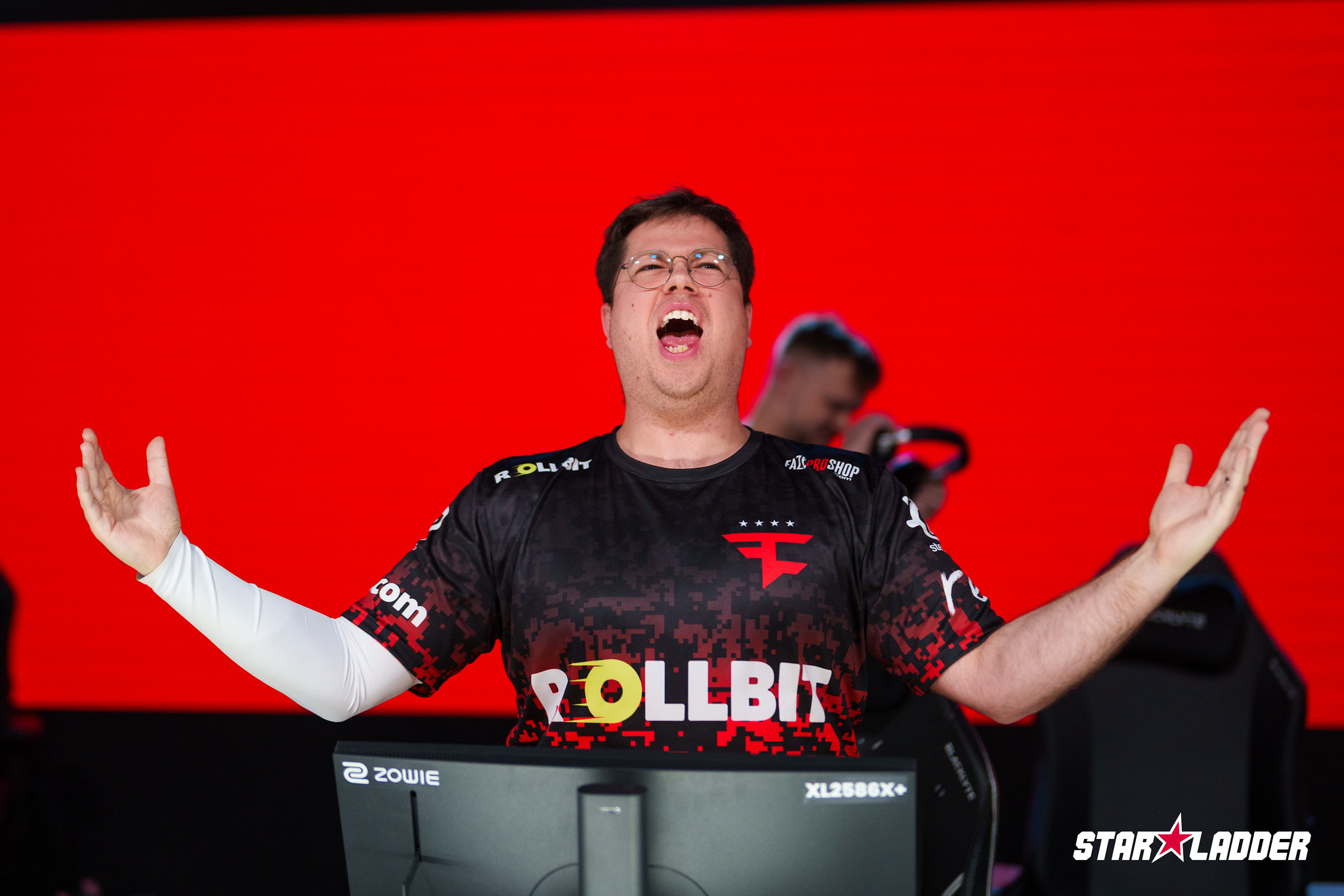
Not long ago, the number of Major participants increased from 24 to 32. So where’s the cost-cutting in that? Before, there was an additional LAN qualifier, and way more teams had to travel. For example, the RMR for the Paris Major had 56 teams, which was a much heavier load. Removing the extra qualifiers and simply increasing the Major slots became a balanced middle ground.
Some people criticize the change because it kills the classic Cinderella stories, when a fresh roster forms shortly before the event, runs through the qualifiers, and makes it to the Major. While those stories are fun, they also punished stable teams who played dozens of tournaments the whole season and still ended up missing the Major. Valve chose to reward consistency and long-term commitment.
Three Swiss Stages in a Row

Another point of criticism is the group stage format. Three Swiss stages in a row confuse fans because they look almost identical.
But the convenience of the format is that only 16 teams participate in one stage, which means logistics can be managed on time. You don’t need to prepare 32 practice rooms; 16 will suffice, as teams that are eliminated free up space for newly invited participants.
Plus, the Swiss format is naturally entertaining since team skill levels are much closer. Who would want to watch a group with FURIA, Natus Vincere, The Huns, and Legacy? What chances do underdogs have to reach the playoffs instantly? With this structure, the tournament flow stays relatively stable throughout all three weeks. However, questions remain about the Swiss format itself, but more on that in the next point.
When will the Bo1 be removed from the CS2 Major group stage?

The biggest complaint about the format is the two Bo1 rounds played on the first day of each Swiss stage. First, it causes many upsets since teams don’t prepare for specific opponents and randomness is higher (especially with MR13). Second, these matches heavily affect the seedings for later rounds. Because of that, strong teams can end up playing each other in a 2-2 elimination match, while two weaker teams play for a playoff spot in another.
Some teams arriving at the event struggle to get into rhythm right away. We’ve seen cases like MOUZ players telling each other to wake up during their opening match. How good is Counter-Strike on day one? That’s a big question. On top of that, the randomness makes it very hard to predict outcomes in pick’ems, and getting the diamond coin becomes nearly impossible, which annoys part of the audience.
But will Bo1 ever be removed from Swiss? Rumors pop up regularly, but you have to understand that this means three extra playing days—one for each group stage. That means extra costs for the arena, staff, production, casters, and more. It looks like Valve isn’t eager to change this. So we’re unlikely to see any updates here.
Is Best of 5 finals a good idea?
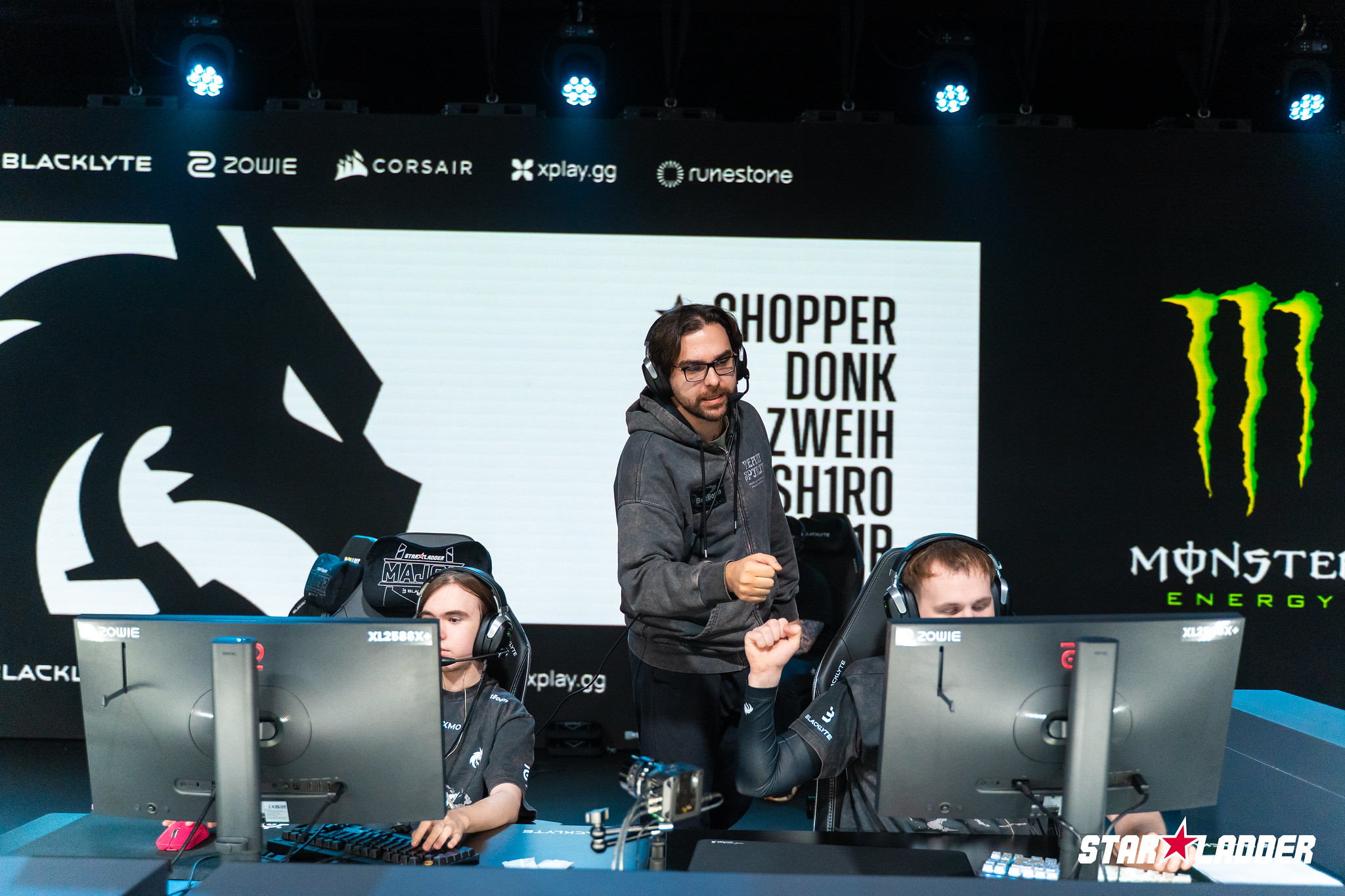
Budapest will host the first Best of 5 grand final in CS2 Major history. Overall, this change seems positive. Right now, a single map can end in thirty minutes. If the final is one-sided and lasts just an hour and a half, would people really be happy?
The stakes are higher in the final match, and asking teams to determine the strongest over five maps is quite reasonable. Especially since they don’t play any other matches that day (unlike at The International), meaning fatigue shouldn’t be a major factor. In the current situation, the Best of 5 format is definitely better than Best of 3.
We haven’t seen any announcements about format changes for future Majors yet, but Valve does listen to criticism from time to time. So improvements might come eventually. Whenever they do, we’ll definitely cover them.