Almost every action in Counter-Strike 2 requires a mouse. It’s easily the most important gaming device. But the question always remains: is it better to have a wired or wireless mouse? CS.MONEY Blog answers this question and debunks the myths surrounding these devices.
We are holding a big skin giveaway! It’s not too late to join: click the banner and participate!

Pros and Cons of Wired and Wireless Mice
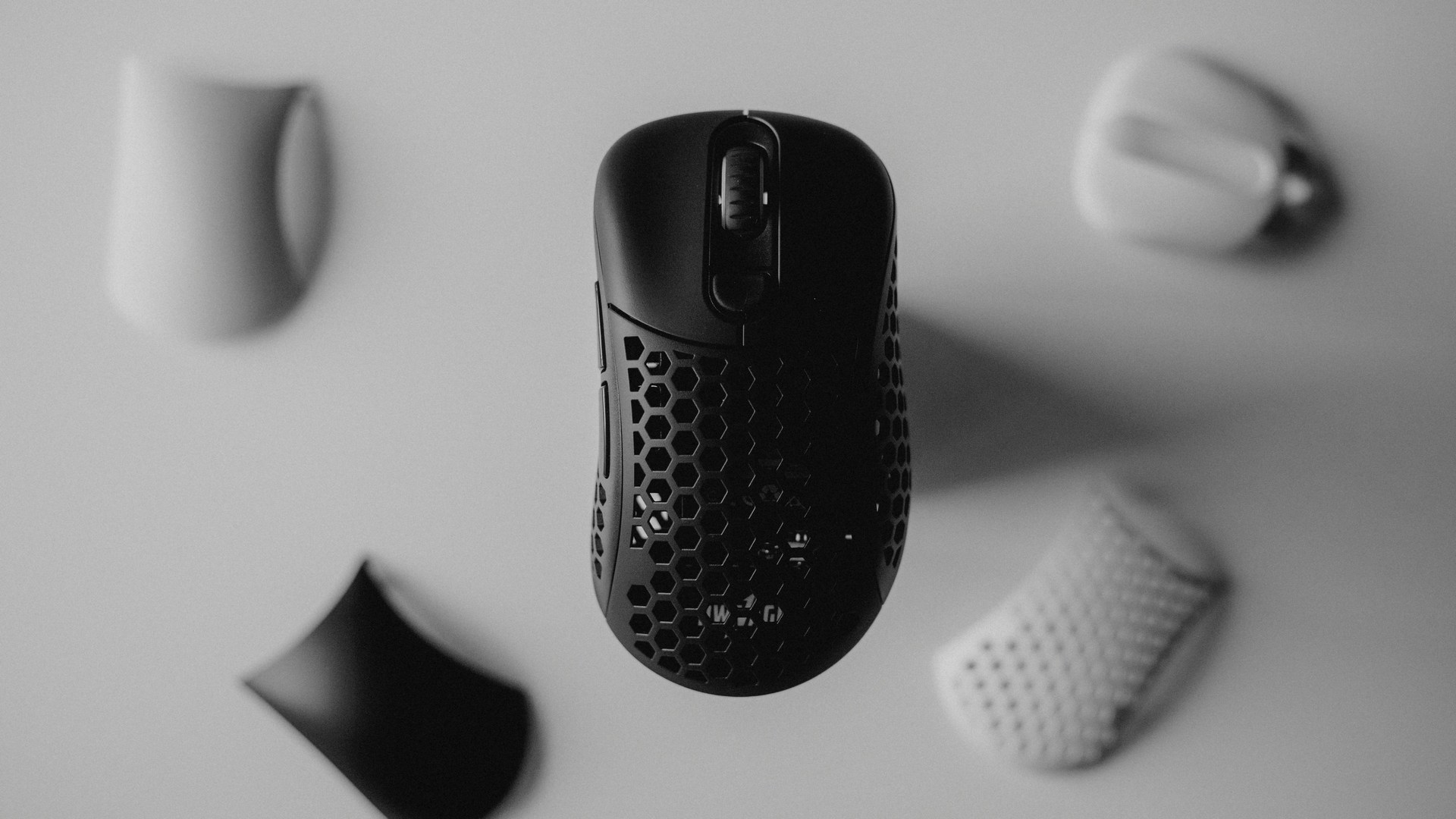
All mice can be divided into two main camps: those with a cable and those without. The differences, of course, don’t end there. The main advantages of wired mice include:
- price;
- simplicity. The “plug and play” principle works—no battery or dock needed;
- potentially lower weight.
In response, wireless mice also have something to show off. Complete freedom of movement and independence from the cable are serious advantages. As for all other parameters (from input lag to sensor quality), both classes of devices are roughly equal, and the differences depend on specific models.
Which Mouse is Best for CS2?

Ответим на главный вопрос сразу — беспроводная мышь лучше. Даже среди бюджетных моделей Let’s answer the main question right away: a wireless mouse is better. Even among budget models, there are worthy candidates that hold a charge for days, don’t cause input lag, and don’t spin out during flicks. It only makes sense to stick with a wired mouse if your budget is extremely tight.
If we talk about specific models, it’s worth checking out:
- Logitech G Pro X Superlight 2 — a popular choice among pros;
- Corsair Katar Pro Wireless — the best option under $50;
- Asus P709 ROG KERIS — an alternative to Logitech’s Superlight.
The situation is similar with wired peripherals. Many companies have solid lineups; for example, you can look at the Logitech G203 LIGHTSYNC or the wired SteelSeries Rival 3.
Mouse Myths
Mice have been the main PC gaming device for decades. During this time, dozens of myths have appeared and disappeared around them. Even today, despite the fact that almost all pros have chosen wireless mice, the belief in phantom flaws and shortcomings persists in some circles. Let’s focus on the three most popular misconceptions.
Myth #1: A wireless mouse dies fast
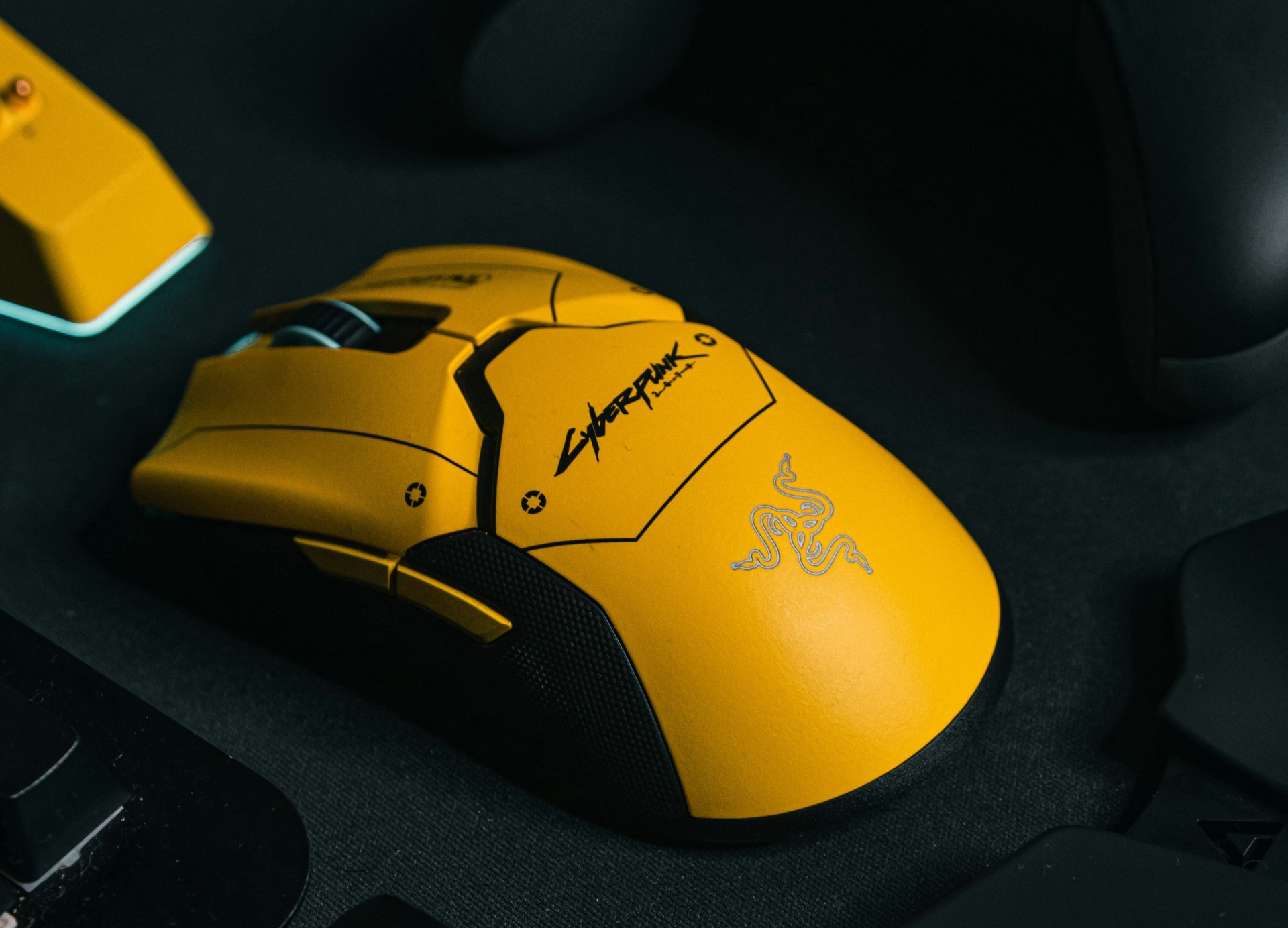
Esports fans sometimes stumble upon stories that a player urgently swapped mice during a match because their device ran out of battery. So, do wireless mice die quickly, and more importantly, does it constantly happen at the wrong time?
No, that’s actually not the case. At tournaments, players often have their devices taken away between matches so they can’t change settings, install macros, or cheat directly through the device. After sitting in a storage room for several days, a not fully charged mouse might indeed die.
But in a home setting, this is an extremely rare scenario. To achieve this, you need to play actively for days and not put the mouse on charge. Most quality wireless mice hold a charge for dozens of hours and recharge quickly.
Myth #2: No cable means input lag
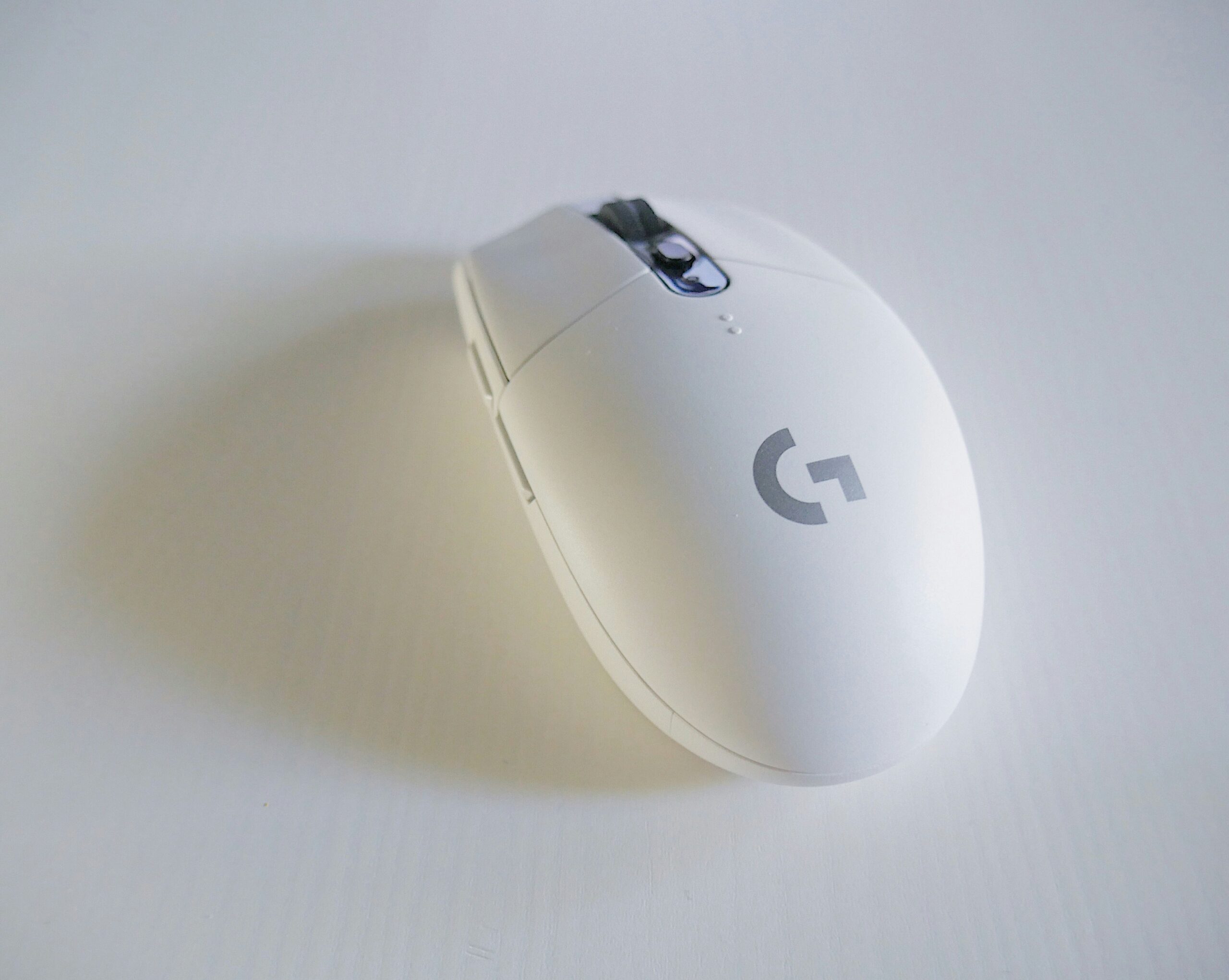
Another myth that has a real basis. Wireless mice can indeed cause input lag, but there’s a nuance—input delay depends on the mouse’s connection type:
- wired connection — up to 10 ms;
- modern wireless gaming mice — up to 10 ms;
- bluetooth mice — from 15 to 50–60 ms.
As you can see, old wireless mice or those connected via Bluetooth have a noticeable lag. While the lag in modern gaming mice, whether wired or wireless, is measured in single milliseconds, with Bluetooth-connected mice, it’s a noticeable tens of milliseconds.
Myth #3: Wireless mouse signal is easy to disrupt
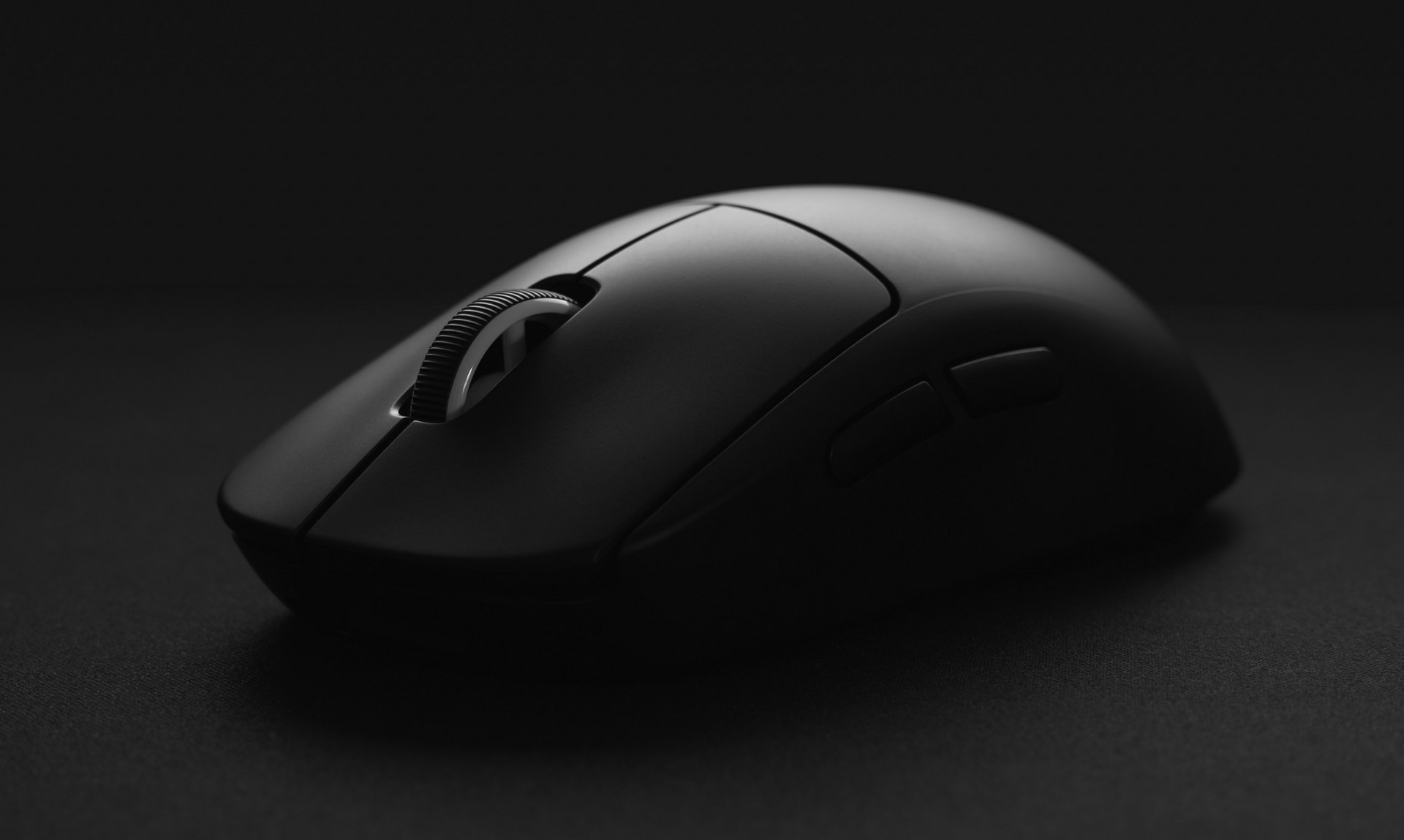
Some people think the connection between the mouse and the PC can be easily broken. The culprit could be a router, a running microwave, or even a too-powerful iron plugged in during the game. Let’s clear this up too.
Wireless gaming mice don’t use Wi-Fi for connection. They use a separate radio frequency with special communication protocols created and maintained by the manufacturers. These protocols give high responsiveness and strong signal stability. If something is disrupting it, it’s clearly something serious, not a plate of pasta being heated in the kitchen microwave.
Having debunked the myths, we should focus on one more feature of these devices. Wireless mice have one non-obvious advantage—they are popular. Pros and casual players use them. This high demand pushes big brands to offer wider product lines, making it easier to find a wireless mouse that fits your hand. It’s also easier to find one in the color or style you want. And a beautiful device is more pleasant to hold, especially when the cable isn’t getting in the way.