Trading CS2 skins is a whole industry of selling and exchanging items. Some skins are common and cheap, while others are super rare and worth thousands of dollars! Together, they form a skin market valued at nearly 6 billion dollars. CS.MONEY Blog explains what skin trading is and how you can start your own trading journey.

Even if you’re just playing CS2, check out CS.MONEY: thousands of awesome skins at low prices are waiting for you!
Why Do People Trade Skins?
Before we dive into details, it’s important to understand the basics — why even own or trade skins? In CS2, skins are like paintings or antiques. They’re nice to show off, and many go up in value over time.
So, people have different reasons:
- Some buy rare skins because they’re beautiful.
- Others buy because they expect prices to rise.
- And some just buy them because they can afford it, and the skin is expensive.
How Are Skin Prices Set?
A CS2 skin’s price depends on several factors. Understanding them helps you make smarter trading decisions and avoid overpaying.
The main factors are:
- Rarity
- Demand
- Market trends
- Extra features like stickers or charms
Rarity
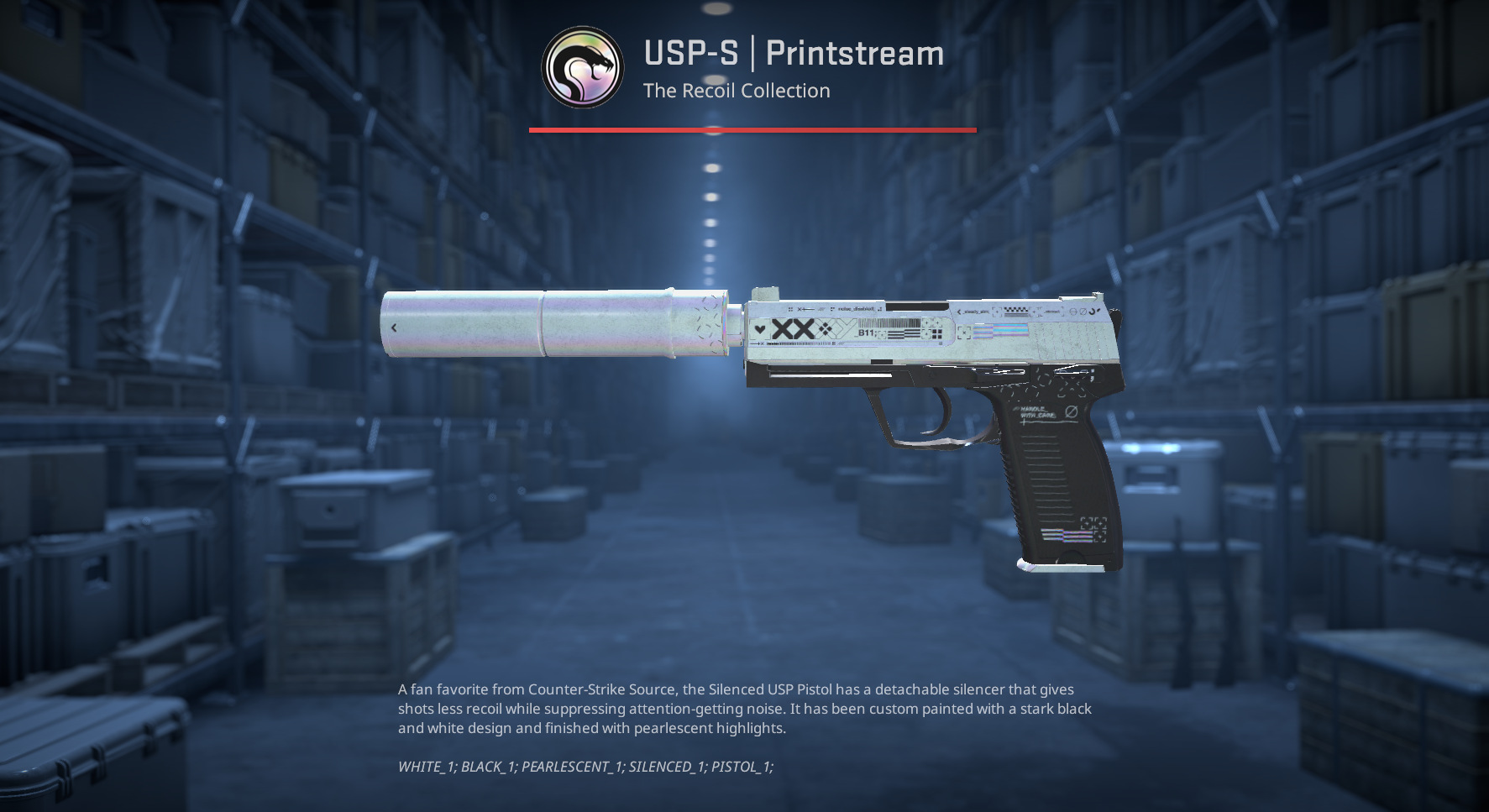
Rarity (supply) is the number of items available on the market. For example, take the Printstream family: Deagle and USP-S. Both are meta weapons with steady demand. But Deagles are more common on the market, so their price is lower — around $103 compared to $120 for the USP-S.
The most common skins from weekly drops can be worth just a few cents, while the rarest one-of-a-kind skins can cost tens or even hundreds of thousands of dollars. But rarity alone doesn’t guarantee high value — you also need demand.
Demand
Demand is the popularity and need for a skin among players and collectors. The demand for regular skins often depends on how popular the weapon is.
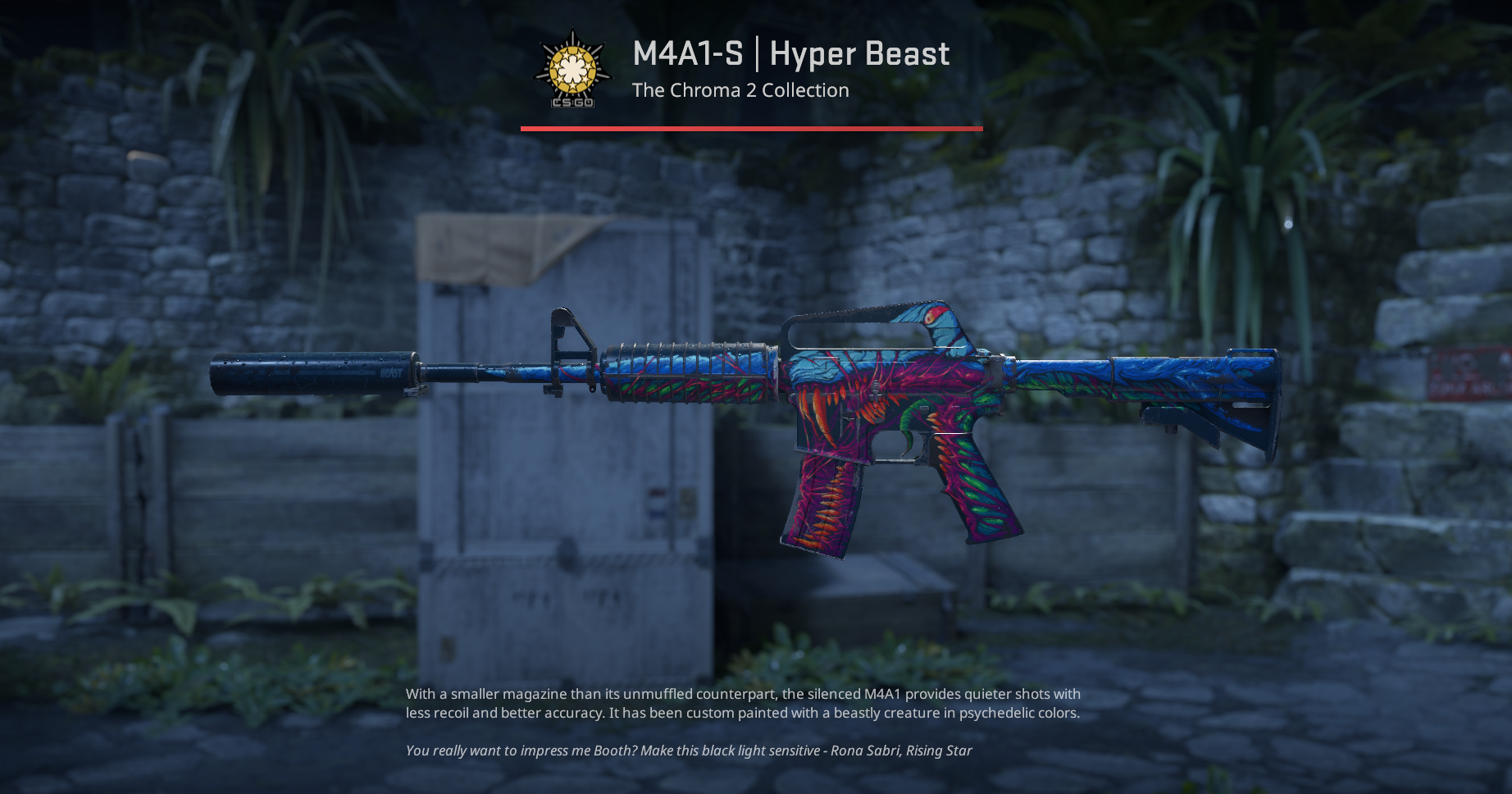
Take the Hyper Beast skins: Five-SeveN Hyper Beast and M4A1-S Hyper Beast. Both have the same rarity and come from rare cases. But the rifle skin costs two or three times more than the pistol. Why? Because players use the M4A1-S much more often, while Five-SeveN only shows up on force buys. The more screen time a weapon gets, the higher the demand — and the price.
Market Trends
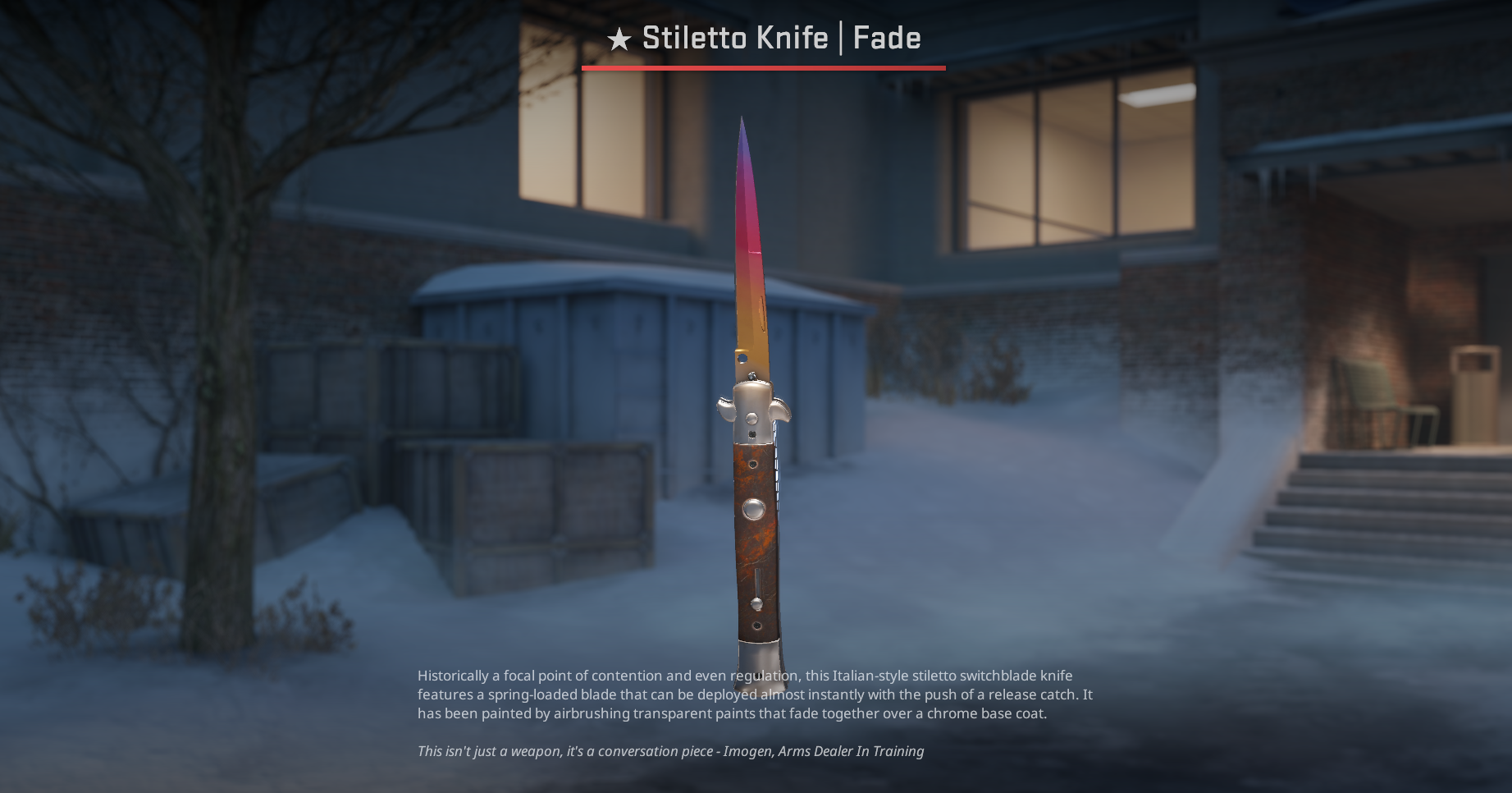
Another big factor is community trends. The clearest example is Aleksandr “s1mple” Kostyliev. He started playing with a Stiletto knife, and its price went up. Did he directly change the value? Not really. But the community noticed what skin a star was using and started hyping it, creating a self-fulfilling prophecy.
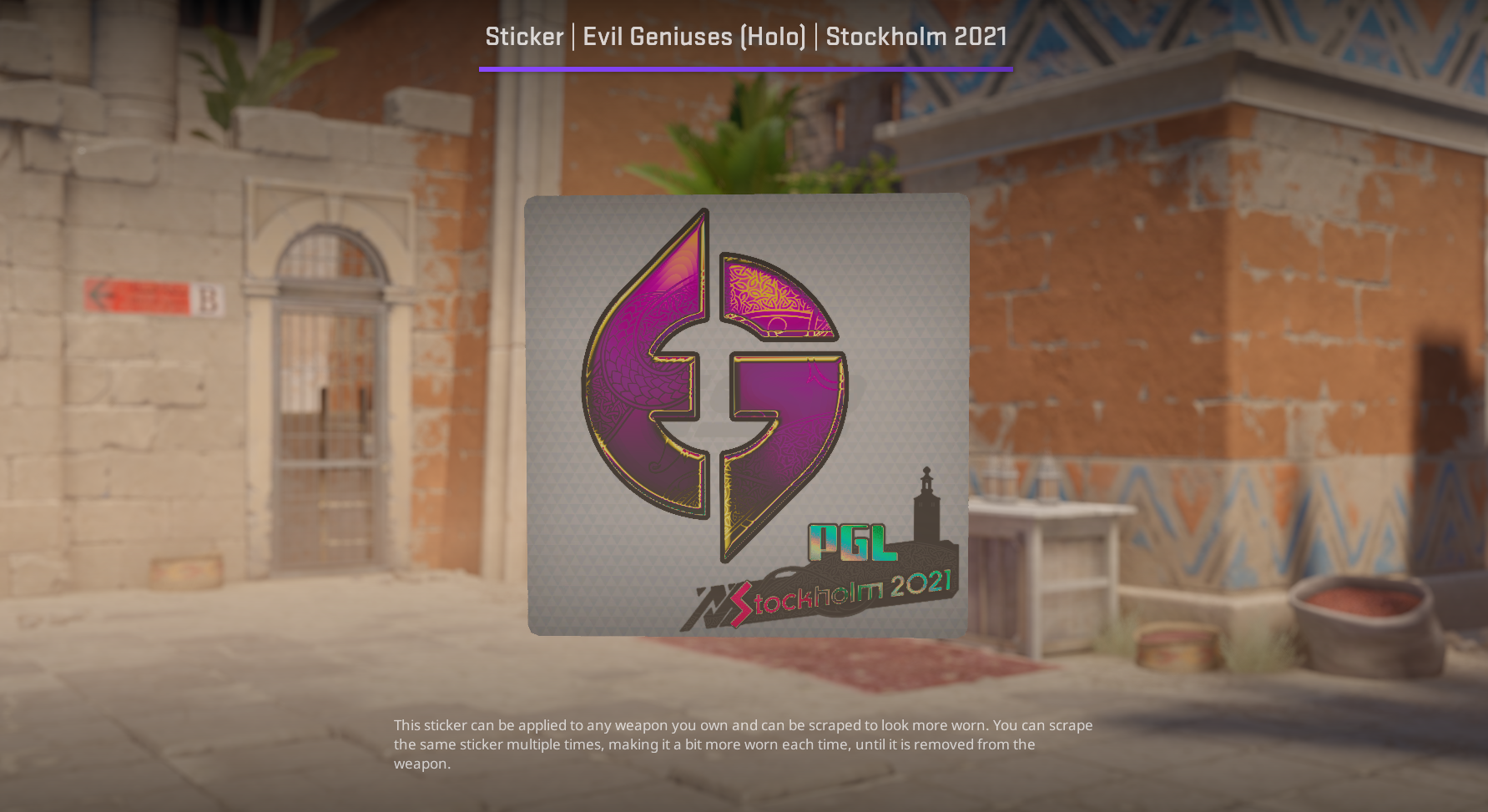
The same applies to player autograph stickers. If a team wins a tournament or a pro becomes MVP, their stickers immediately rise in value.
Trends can also go down. The CS2 market is seasonal — every summer, skin prices drop by 9–12%, but return to normal in a few months. So yes, trends have a big impact on skin prices.
Extra Features
Other things can also affect the price: rare patterns, cool stickers, charms, or StatTrak counters. Sometimes it’s just a small boost of a few cents, but in other cases, like a rare AK-47 Case Hardened pattern, the value can be several times higher than regular ones.
Three Top Tips for Beginners
The skin market has its own rules, but beginner advice is the same as in real trading. Here are the basics:
- Diversify your assets
- Don’t rush
- Always prioritize safety
Diversification
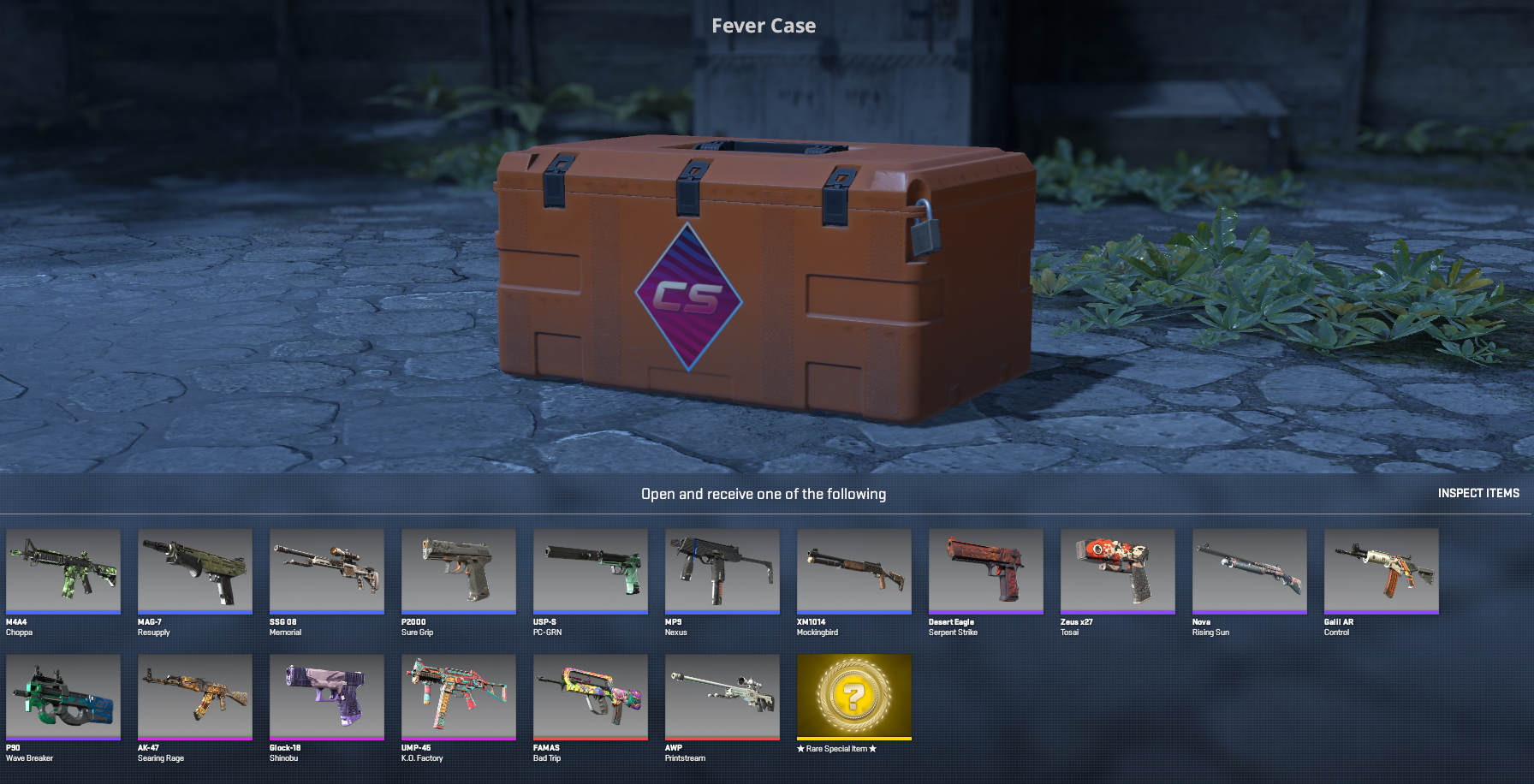
CS2 has hundreds of weapon skins and thousands of cosmetic items overall — cases, gloves, knives, agents, stickers, charms, patches, and more. Even if you’re new, it’s smart to fill your portfolio with different types of items instead of betting everything on a single AK skin or agent.
Don’t Rush
Rushing is a big red flag in skin trading. If a skin’s price is going up, don’t throw all your inventory into it right away. Study the price history, check the growth potential, and analyze the market.
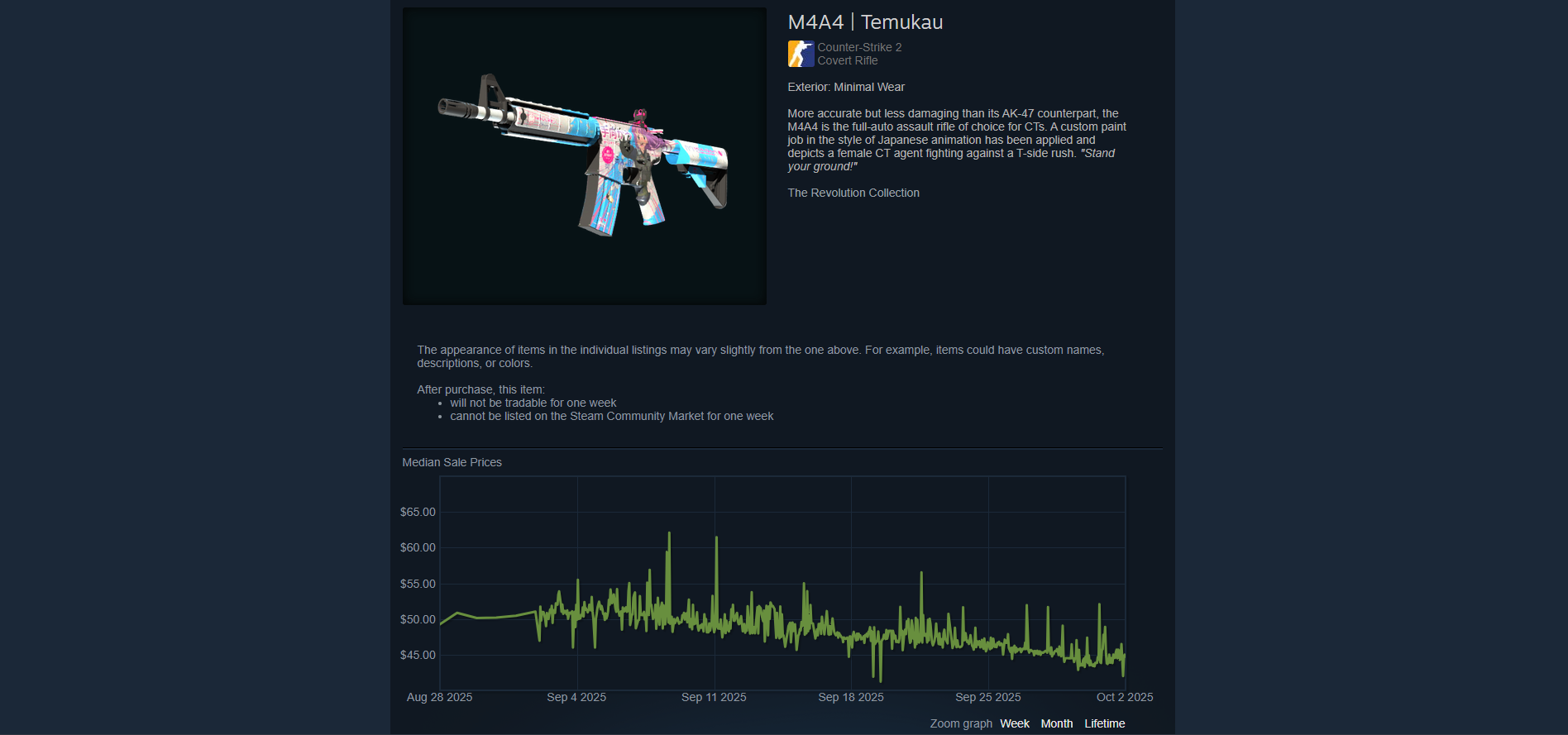
The same goes for price drops. For example, after the M4A4 nerf, its skins dropped fast. Should you sell immediately? History shows that nerfs eventually get rebalanced, and prices can climb back up.
Safety
Not long ago, Valve added a feature to cancel recent trades and roll back items, making trading safer. But risks still exist. Traders can still fall victim to:
- API scams
- Phishing
- Sharking and other unfair trades
So safety is serious business. Always enable 2FA, check your API key regularly, and double-check prices before trading rare or expensive items.
Market Manipulation: Why It Happens and How to Avoid It
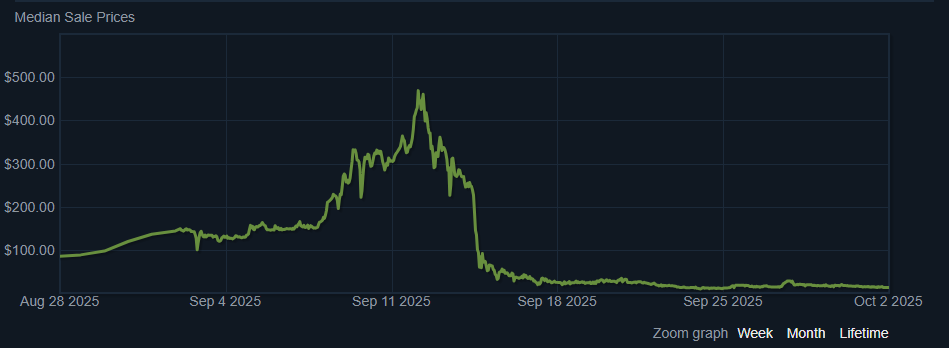
The CS2 skin market isn’t regulated, and while 5–6 billion dollars sounds huge, it’s still small compared to real markets — which leaves room for manipulation. The most common trick is “pump and dump.”
How it works: a trader or group buys up one skin, driving the price higher. Other traders notice and start investing too. Once the price hits the target, the original buyers sell off their stock for profit, leaving late investors with losses.
To avoid being a victim, track market prices and in-game changes. If a skin suddenly spikes without a clear reason, it’s probably manipulation. The best move? Don’t trade that skin.
Trading CS2 skins can be exciting and even profitable, but it takes time and experience. You can start with just a hundred dollars and some patience. With a set budget and a clear plan, it’s possible to grow your starting capital significantly in a year. The key is staying safe and sticking to your goals.